
When I was learning the basics of skiing, steering your skis, using the edge and also pressure control, I focused too much on practicing my own skill and didn’t even consider how the ski’s I’m riding could turn for me. Studying about Ski Design, it opened my eyes on how the shape and structure of the skis affects how it glides through snow. I guess it might be pretty obvious but I just didn’t think about it that way, until now.
The introduction starts with figuring out how much you know about the ski or snowboard itself. You’ll get to discuss with Ihara-san and he asks the most important question, “What kind of skiing do you want to do with the skis?” I suggest to research and read about skis before starting the introduction as it will help you decide faster. He also does offer to have a pre-consultation to help you figure things out before starting the workshop.
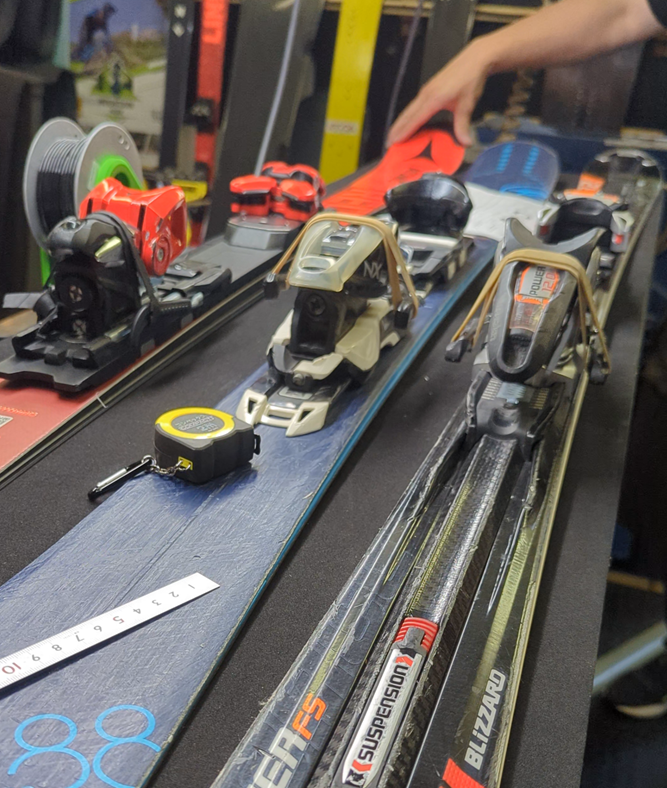
Ever wondered why racing skis feel so heavy, why backcountry skis can be so wide? In essence, the shape and structure of a ski or snowboard determine exactly what it’s best suited for. It can also get complicated as snow varies depending on geography, weather conditions and if you go on or off-piste. Understanding how your skis slide on snow requires looking at the snow conditions and the design of your skis.
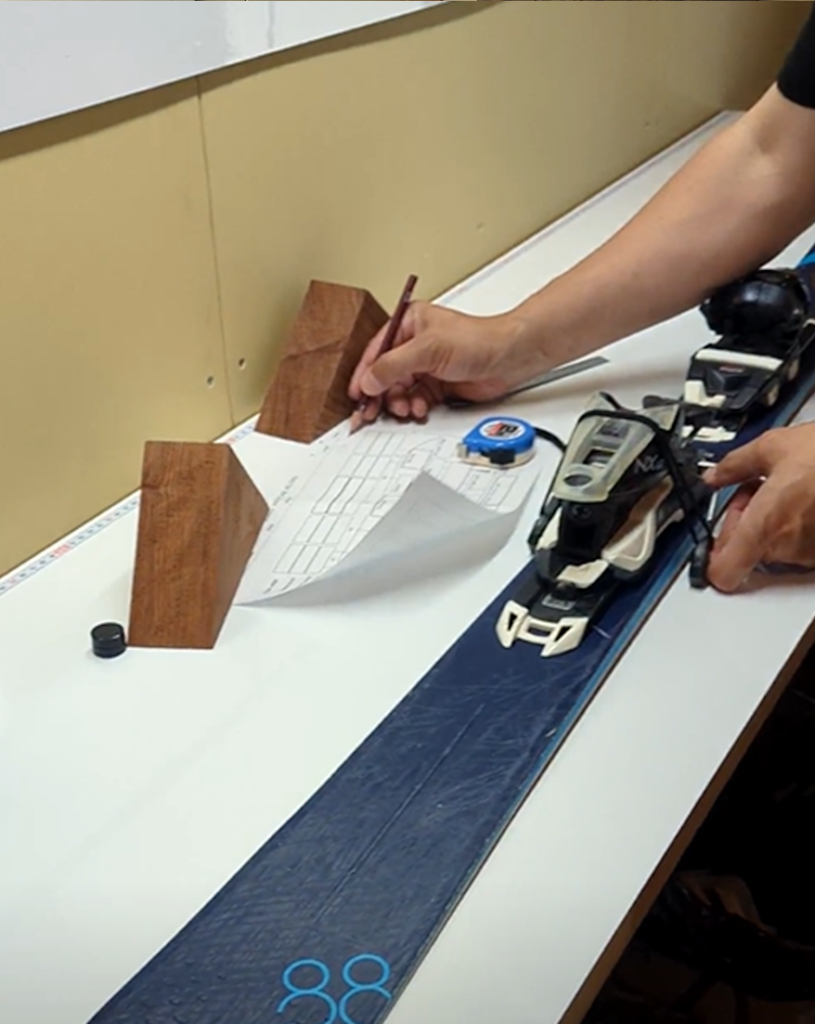
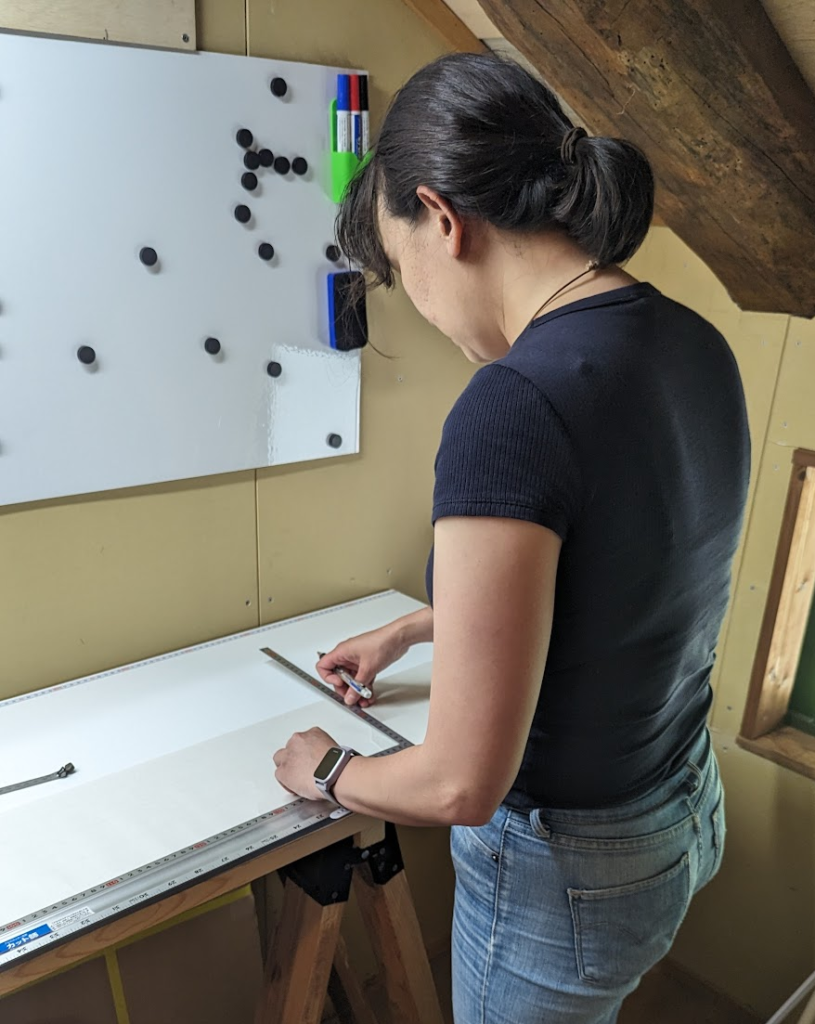
I’ve been using my all‑around beginner skis for a few years now, it worked really great for me but I wanted to improve in other skills as well. For starters, we started with my current skis for the foundation of my new skis. From there, we compared it with other kinds of carving skis to help decide how to modify the shape to match the skiing I wanted to do.
You’ll get to talk, discuss all these details with Ihara-san until you finalize the shape and structure of the custom skis you want to make. Since I chose a full build course for ski-making, I had to decide the exact measurements and details on a lot of things. Depending on the workshop course you select will pretty much dictate how much freedom you get to choose for your ski design.
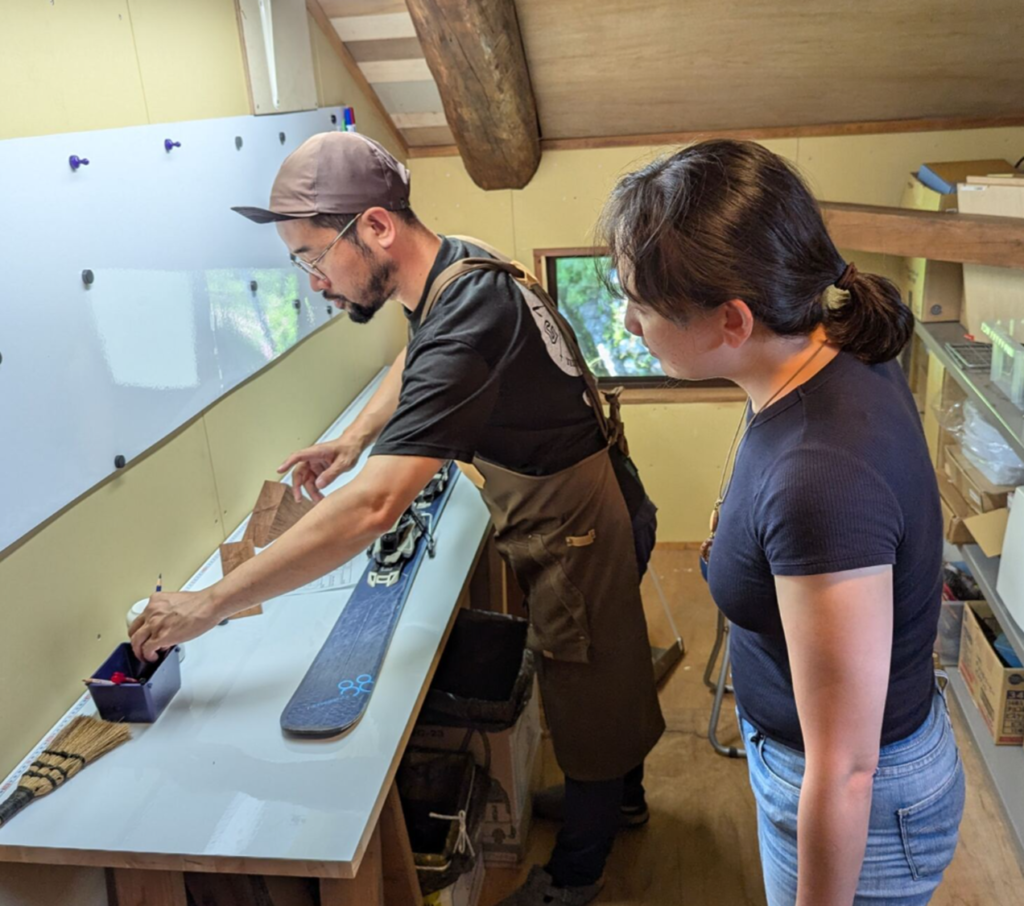
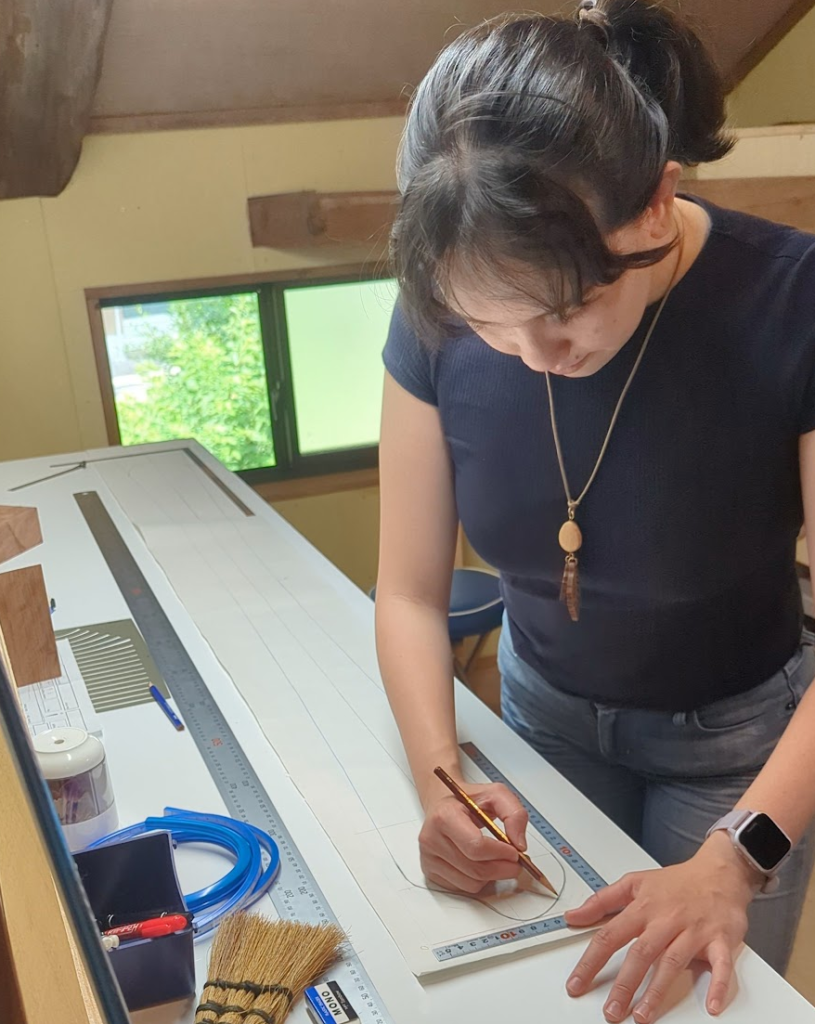
After deciding on the measurements, you’ll trace and draw everything on a large sheet of paper which will be used for the next step when making the real master outline and molds.